Expansion Tank Installation in Denver, CO
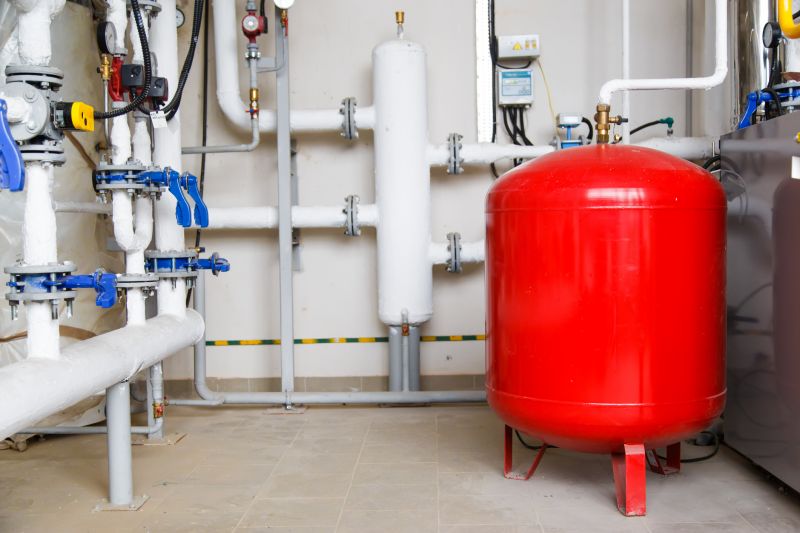
Expansion tank installation services provide a vital component for maintaining proper pressure and preventing damage in residential plumbing and heating systems. These tanks are designed to accommodate the expansion of water as it heats, helping to regulate pressure within closed-loop systems such as boilers, water heaters, and hydronic heating setups. Property owners often request this service when upgrading existing systems, installing new heating units, or addressing issues like fluctuating pressure or frequent system shut-offs. Understanding the size and type of expansion tank needed, based on the property's plumbing setup and system capacity, is an important consideration before requesting installation.
Homeowners typically want to know how an expansion tank integrates with their current system, the benefits it provides in terms of system longevity and performance, and any necessary preparations for installation. It’s also helpful to understand the differences between various tank types and sizes to ensure compatibility with existing equipment. Proper installation ensures the system operates smoothly, reduces the risk of leaks or pressure-related failures, and supports efficient heating and plumbing performance throughout the property.
Many property owners in Denver, CO look into Expansion Tank Installation for repairs, replacements, upgrades, and appearance-related improvements.
Benefits Of Expansion Tank Installation
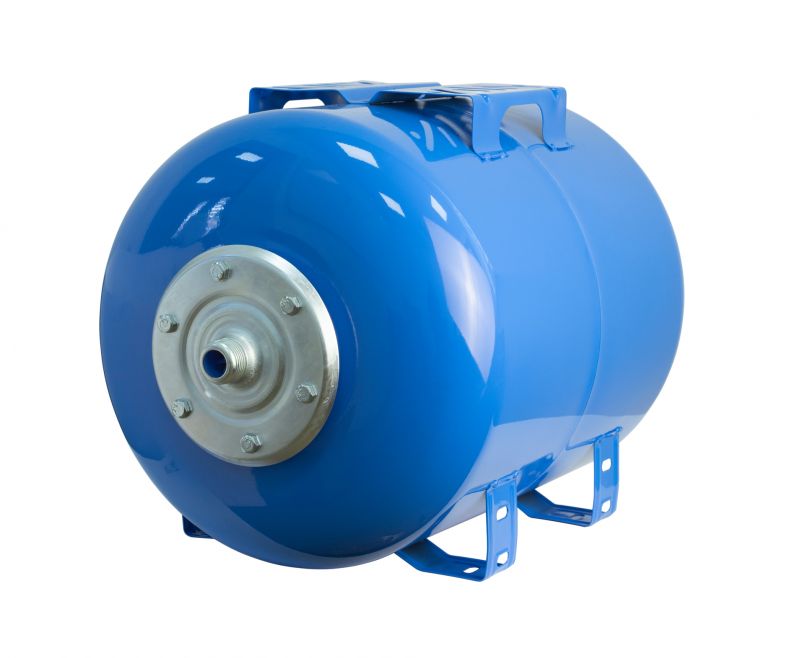
An expansion tank helps maintain consistent water pressure and prevents system damage.
Common Reasons For Replacement
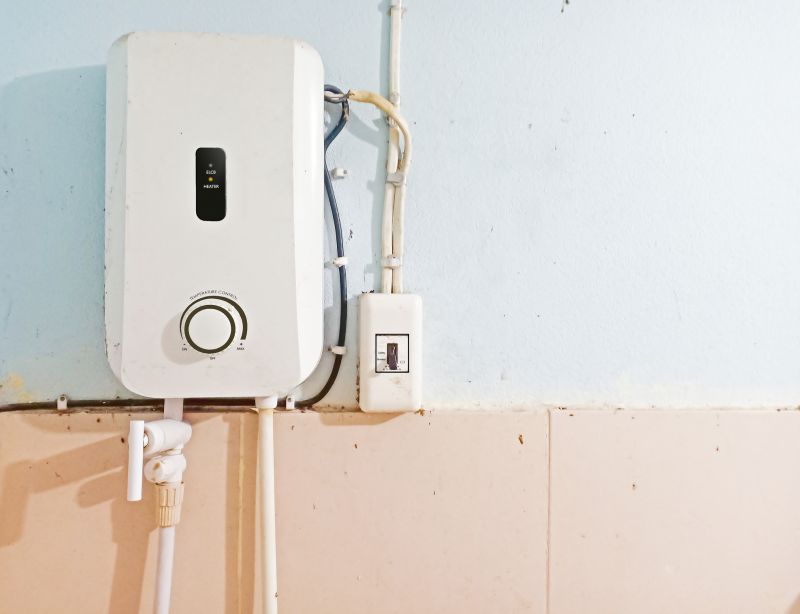
Property owners in denver may need a new expansion tank due to system upgrades or wear over time.
Key Features To Consider
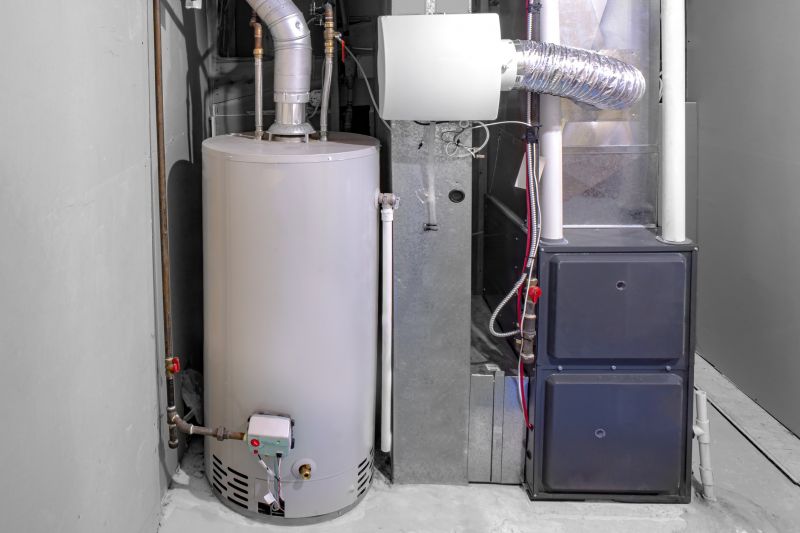
Choosing the right expansion tank involves assessing size, material, and compatibility with existing plumbing.
Expansion Tank Installation in Denver, CO

Expansion tank installation services provide a vital component for maintaining proper pressure and preventing damage in residential plumbing and heating systems. These tanks are designed to accommodate the expansion of water as it heats, helping to regulate pressure within closed-loop systems such as boilers, water heaters, and hydronic heating setups. Property owners often request this service when upgrading existing systems, installing new heating units, or addressing issues like fluctuating pressure or frequent system shut-offs. Understanding the size and type of expansion tank needed, based on the property's plumbing setup and system capacity, is an important consideration before requesting installation.
Homeowners typically want to know how an expansion tank integrates with their current system, the benefits it provides in terms of system longevity and performance, and any necessary preparations for installation. It’s also helpful to understand the differences between various tank types and sizes to ensure compatibility with existing equipment. Proper installation ensures the system operates smoothly, reduces the risk of leaks or pressure-related failures, and supports efficient heating and plumbing performance throughout the property.
Many property owners in Denver, CO look into Expansion Tank Installation for repairs, replacements, upgrades, and appearance-related improvements.
Common Expansion Tank Installation Jobs
Expansion Tank Installation Questions
What is an expansion tank? An expansion tank is a device that absorbs excess pressure in a hot water heating system, helping prevent damage to pipes and fixtures.
Why is installation important? Proper installation ensures the expansion tank functions correctly, maintaining system pressure and prolonging equipment life.
How do I know if I need an expansion tank? Signs include frequent pressure fluctuations, noisy pipes, or frequent system shut-offs due to pressure buildup.
What types of expansion tanks are available? There are various types, including bladder and diaphragm tanks, suitable for different heating system needs.
Request Expansion Tank Installation in Denver, CO
Use the quote form on this page to share the basics of your project and request more information for the type of work you need.